

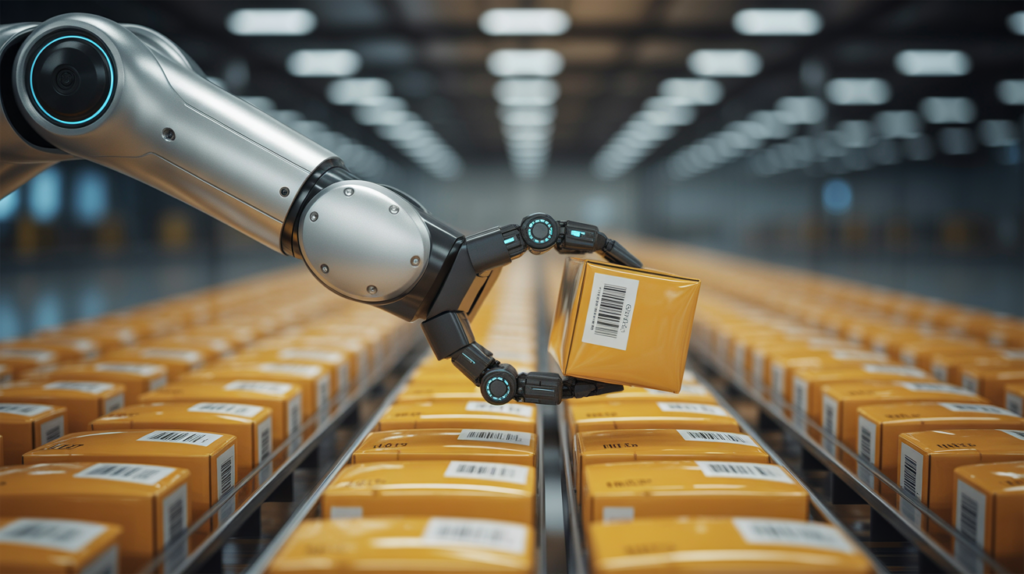
Intelligent automation uses AI, robotic process automation, and process management tools to make logistics operations faster, more reliable, and easier to manage. Companies that adopt these technologies see fewer errors, quicker decisions, and big savings in time and costs.
Key Points:
- Intelligent automation lets logistics teams automate routine tasks, predict inventory needs, and quickly adapt to changes.
- AI-powered systems help forecast demand, optimize warehouse space, and choose the fastest delivery routes.
- Robotic process automation handles repetitive jobs like entering shipment data and processing invoices, reducing mistakes and saving time.
- Real-time tracking and automated compliance reporting improve customer satisfaction and keep paperwork organized.
- The right partner helps companies map their automation journey, making sure solutions fit unique business needs and staff are fully supported.
Imagine a world where your supply chain runs smoothly, adapts instantly to change, and frees your team from repetitive tasks. This isn’t wishful thinking, it’s today’s reality for logistics leaders who embrace intelligent automation. At Ausca, we help businesses put these advanced tools into practice, guiding them through every step of digital transformation.
Introduction to Intelligent Automation in Logistics
Intelligent automation (IA) in logistics means combining artificial intelligence (AI), robotic process automation (RPA), and business process management (BPM) to optimize everything from warehousing to delivery. Unlike basic automation, IA isn’t just about machines following rules. It’s about learning, making smart decisions, and adapting on the fly. Systems powered by IA can forecast demand, flag compliance risks, and handle routine jobs with just a few clicks.
At Ausca, we see firsthand how businesses move beyond old ways of working. Our experience shows that personalized support makes the difference. We walk clients step by step, finding the right mix of AI agents, RPA, and process management to reshape their operations for speed and reliability.
The Technology Stack: AI, RPA, and BPM Explained
Let’s break down the core pieces that make intelligent automation for logistics work.
- AI and Machine Learning: These tools spot patterns, predict trends, and adjust plans instantly. Whether it’s forecasting demand or finding the fastest route, AI saves time and reduces mistakes. For example, companies use machine learning to handle huge volumes of data and make choices faster than any human could. (Source)
- RPA in Logistics: Automated bots take over rule-based tasks like entering shipment data or processing invoices. No more tedious copying and pasting. RPA bots work around the clock and never get tired, which means fewer errors and happier customers. (Source)
- Business Process Management (BPM): BPM tools connect all your workflows. They make sure the right jobs go to the right people (or bots), track compliance, and keep processes running smoothly.
From our own experience at Ausca, combining these tools gives logistics teams an edge, especially when handling seasonal surges or sudden supply disruptions.
Key Applications of Intelligent Automation
Warehouse & Inventory Management
Modern warehouses run differently than they did even five years ago. Autonomous mobile robots (AMRs) move goods efficiently across the floor. AI-driven warehouse management systems (WMS) decide where new stock should be placed, monitor inventory in real time, and even allow staff to ask questions using plain language.
At Ausca, we helped a retailer automate their warehouse slotting. The system now recommends storage spots based on past orders and speed of picking. This isn’t just faster, it also prevents lost items and helps managers make better decisions.
Order Fulfillment & Transportation
RPA shines when it comes to robotic picking, labeling packages, or processing freight schedules. AI can optimize delivery routes based on weather, traffic, and even historical delivery times. Truck fleets now use smart sensors and predictive software to schedule maintenance, cutting downtime and preventing late shipments.
In our own projects, we’ve seen real-time tracking slash customer queries and make support teams more productive.
Supply Chain Management
Forecasting demand used to involve guesswork and lots of spreadsheets. Now, AI agents for logistics analyze sales trends, seasonal patterns, and even social media buzz to suggest how much stock to order. Automated replenishment means fewer shortages and less overspending.
Smart supply chain managers use these tools to control costs and spot risks before they become problems. We helped one manufacturer detect and solve bottlenecks in their supply flow, reducing inventory costs by nearly 30 percent.
Compliance & Data Handling
Managing paperwork and regulatory changes can trip up even the biggest logistics operations. Intelligent automation identifies and flags compliance issues as soon as they happen. Invoices are processed in minutes, not days. Reports are ready in real time.
Business Benefits of Intelligent Automation
So, why does all this matter? Here’s what logistics teams get from intelligent process automation:
- Operational Efficiency: Manual tasks drop off. Error rates shrink. Teams spend less time fixing mistakes.
- Rapid Response: When demand spikes or routes shift, automated systems help you adapt almost instantly.
- Scalability: Whether business doubles for the holidays or grows in new markets, IA scales with you.
- Fewer Stockouts and Overstocks: Real-time data means inventory matches what customers actually want.
- Compliance and Audit Readiness: Documentation stays up to date with little effort.
- Happier Customers: Transparency and speed lead to more trust and fewer headaches.
A recent reports found that companies using intelligent automation processed invoices up to 90 percent faster, saving thousands of hours each year.
Real-World Examples and Use Cases
- E-Commerce Logistics: Automated picking and packing reduce order errors and speed up delivery. Retailers use AI to match inventory to real demand so shelves stay stocked.
- Defense Supply Chains: Machine learning models forecast supply needs and spot risks, supporting missions that depend on timely deliveries. The U.S. Army has used IA to plan logistics with remarkable precision.
- Smart Warehouses: AMRs work alongside humans, navigating obstacles and updating WMS in real time. Companies report smoother operations and fewer accidents.
- RPA Bots for Shipping: Bots manage freight requests, update shipment statuses, and automate compliance paperwork.
Developing Your IA Implementation Roadmap
Getting started can feel overwhelming. Here’s how Ausca guides our clients:
1. Assess Readiness: We review current systems, data, and pain points.
2. Identify Automation Opportunities: Not all tasks are equal. We target jobs that drain the most time or risk.
3. Data Governance: Quality data matters more than quantity. We help clean and organize data to ensure reliable AI results.
4. Change Management: The best tech fails if people won’t use it. Our team supports training and encourages buy-in.
5. Personalized Approach: No two businesses are the same. Our roadmap is built around each client’s needs.
Choosing the Right Solution Partner: Why Ausca?
Logistics is complex. Picking the wrong tech or partner can set you back years. Here’s why Ausca stands out:
- Domain Expertise: We understand logistics from dock to doorstep.
- Personalized Support: We don’t just sell software, we solve problems.
- Proven Track Record: Our clients see real results, from lower costs to faster deliveries.
- End-to-End Service: From consulting to implementation and support, we’re with you every step.
A checklist for choosing your IA partner:
- Do they know logistics inside-out?
- Will they tailor solutions to your company, not just push generic tools?
- Do they provide training and ongoing help?
If you want a partner invested in your success, we’d love to speak with you.
Frequently Asked Questions (FAQs)
u003cstrongu003eWhat is intelligent automation in supply chain?u003c/strongu003e
Intelligent automation in supply chain means using advanced tech like AI, machine learning, RPA, and IoT to automate both routine and complex tasks.
u003cstrongu003eHow is automation used in logisticsu003c/strongu003e?
Automation in logistics boosts efficiency. Systems handle order processing, manage inventory, and schedule transport with little human input.
u003cstrongu003eHow is AI used in the logistics industru003c/strongu003ey?
AI streamlines ecommerce logistics by optimizing routes, predicting maintenance needs, managing inventory, and forecasting demand. It also improves customer service.
u003cstrongu003eWhat is the future of automation in logistics?u003c/strongu003e
AI drives change in logistics by automatically forecasting demand, streamlining shipments, and bringing real-time visibility. Companies make decisions faster and with more confidence.
u003cstrongu003eWill AI take over logistics?u003c/strongu003e
No, but it will keep changing how work gets done. AI does repetitive jobs, but humans handle strategy, relationships, and unexpected problems.
Conclusion and Next Steps
Intelligent automation for logistics isn’t just a trend, it’s the path forward for supply chains that want to compete and grow. AI agents for logistics, RPA in logistics, and solid process management tools build resilience and boost efficiency.
Curious how these tools could work for you? Let Ausca show you the difference with a personalized consultation, demo, or hands-on workshop. Reach out today and future-proof your logistics operation for years to come.
0 Comments